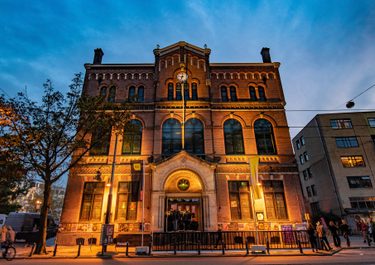
30 YEARS ADE: Iconic Venues – Paradiso
by Meike Jentjens
The evolution of a pop temple
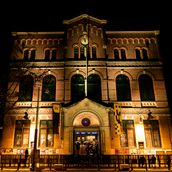
Paradiso was only meant to be a temporary venue, according to the city archive of Amsterdam. The venue started as a center for ‘young people’, and caused a bit of friction right from the beginning in March 1968. The four twenty-somethings responsible for the weekend programming didn't always see eye to eye with the rather bureaucratic foundation running the place. A classic generational conflict, as the archives put it. Does that sound familiar?
Link this to ADE's foundation in 1996, and history repeats. Paradiso became part of ADE's early history, at a time when electronic music was still finding its place in the city's established music venues. Thirty years later, DJs are no longer the exception on Paradiso's stage. Programmer Wesley Texel, also known as Waxfiend and Wes Lee, takes us through the changes he's witnessed and the sounds and communities that continue to shape the pop temple's programming.
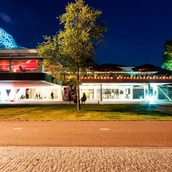
Just like Melkweg opening Club Annie, Paradiso has expanded beyond its main venue at Leidseplein. In 2022, it opened sister venue and club Parallel at Tolhuistuin in Amsterdam-Noord. Paradiso's extensive ADE program is a good example of how these worlds have come together. Programmer Wesley Texel, also known as Waxfiend and Wes Lee, takes us through the venue's evolution, the communities shaping its programming and what to expect from Paradiso during 30 YEARS ADE.
The evolution of a pop temple
Paradiso was only meant to be a temporary venue, according to the city archive of Amsterdam. The venue started as a center for ‘young people’, and caused a bit of friction right from the beginning in March 1968. The four twenty-somethings responsible for the weekend programming didn't always see eye to eye with the rather bureaucratic foundation running the place. A classic generational conflict, as the archives put it. Does that sound familiar?
Link this to ADE's foundation in 1996, and history repeats. Paradiso became part of ADE's early history, at a time when electronic music was still finding its place in the city's established music venues. Thirty years later, DJs are no longer the exception on Paradiso's stage. Programmer Wesley Texel, also known as Waxfiend and Wes Lee, takes us through the changes he's witnessed and the sounds and communities that continue to shape the pop temple's programming.
Just like Melkweg opening Club Annie, Paradiso has expanded beyond its main venue at Leidseplein. In 2022, it opened sister venue and club Parallel at Tolhuistuin in Amsterdam-Noord. Paradiso's extensive ADE program is a good example of how these worlds have come together. Programmer Wesley Texel, also known as Waxfiend and Wes Lee, takes us through the venue's evolution, the communities shaping its programming and what to expect from Paradiso during 30 YEARS ADE.
So, Paradiso has been part of ADE since the first edition, 30 years ago. Wesley, you've worked here for six years. Can you tell us a bit about how Paradiso has evolved?
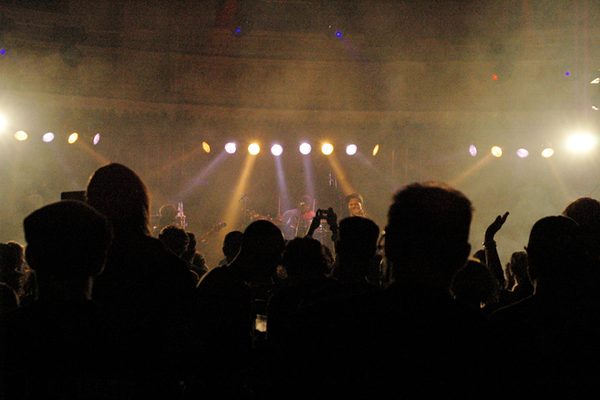
'A lot, actually. I think DJs used to be more of an exception among all the bands performing here, but electronic music has taken up a much bigger place in our program over the years. ADE has played an important role in that. One of our former directors was even one of the founding fathers of ADE, so it's nice to see how that has developed.
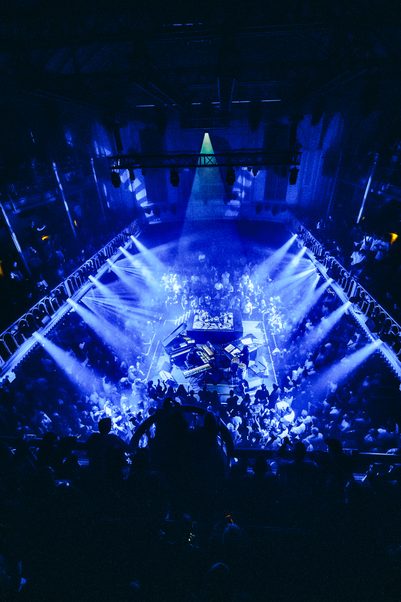
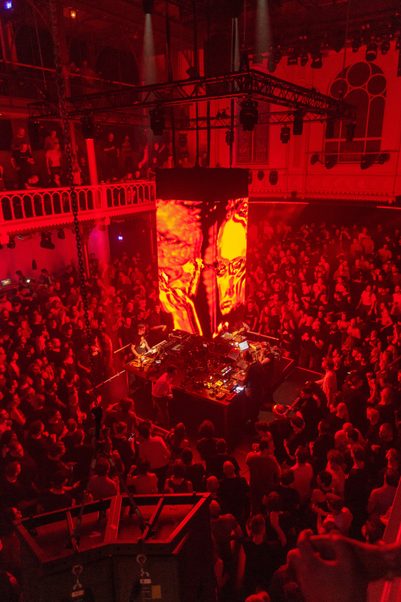
I think our role is to shine a light on aspects of electronic music that you might not find elsewhere as much. Live electronic music has always been important to us, and Speedy J Presents STOOR is a great example of that. It's basically an eight-hour live techno jam where five artists are freestyling for eight hours. What happens there only happens there, at that moment. You'll never hear that music again, and that's what makes it so special.
But it's also about discovering new sounds and emerging genres. We've been giving a stage to music coming from the Global South before it received the attention it gets today. As a programmer, especially during ADE, I feel it's our role to find what's bubbling, what's coming next, and give it a place on our stage.'
So, Paradiso has been part of ADE since the first edition, 30 years ago. Wesley, you've worked here for six years. Can you tell us a bit about how Paradiso has evolved?
'A lot, actually. I think DJs used to be more of an exception among all the bands performing here, but electronic music has taken up a much bigger place in our program over the years. ADE has played an important role in that. One of our former directors was even one of the founding fathers of ADE, so it's nice to see how that has developed.
I think our role is to shine a light on aspects of electronic music that you might not find elsewhere as much. Live electronic music has always been important to us, and Speedy J Presents STOOR is a great example of that. It's basically an eight-hour live techno jam where five artists are freestyling for eight hours. What happens there only happens there, at that moment. You'll never hear that music again, and that's what makes it so special.
But it's also about discovering new sounds and emerging genres. We've been giving a stage to music coming from the Global South before it received the attention it gets today. As a programmer, especially during ADE, I feel it's our role to find what's bubbling, what's coming next, and give it a place on our stage.'
Can you explain what you find important to highlight on stage of Paradiso?
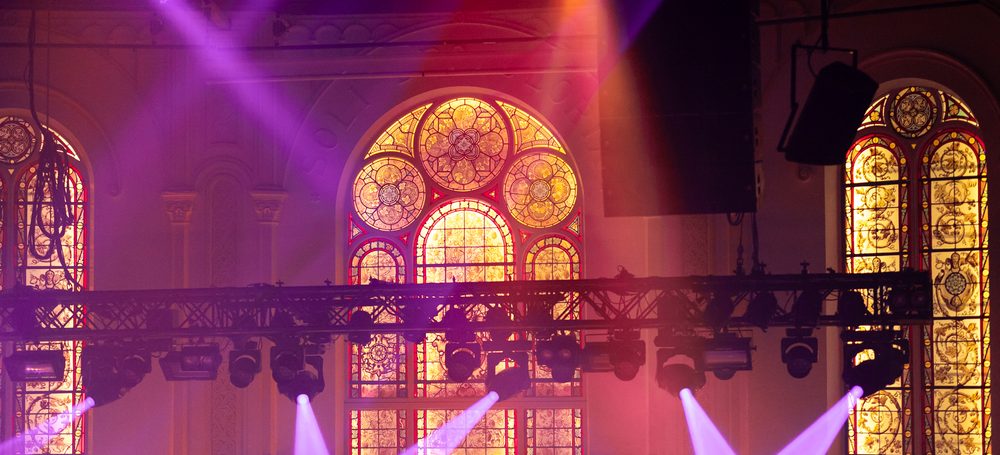
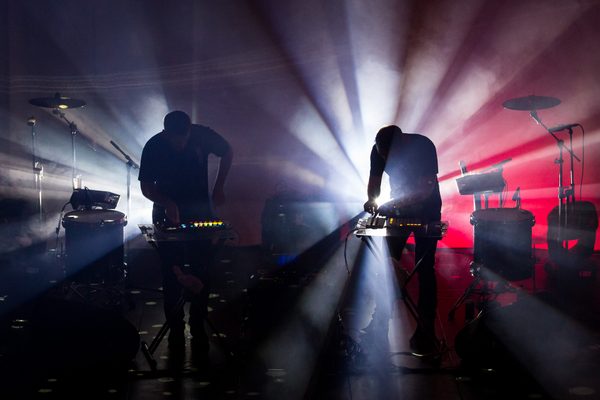
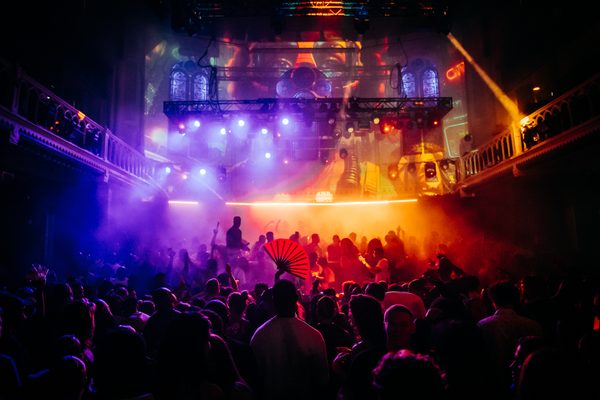
'I think it's important to highlight how electronic music is evolving beyond just a DJ behind the decks. One of my highlights this year is Jeff Mills, who recorded an album with the late Tony Allen and is now performing with two other incredible musicians. It's techno, but it's also jazz, with a lot of improvisation. It almost feels like a ritual, and I think that's going to be a very special experience in a former church like Paradiso.
Another highlight from the past few years was Tribes, an event we organized for four or five years that explored the whole spectrum of electronic music. I remember the first edition in 2022, when we gave a stage to artists who weren't necessarily that well known yet. Amsterdam has become such an important hub for that sound, and it was amazing to see what the event did for the scene, not just in Amsterdam but across Europe. I think we stopped at our prime.'
There's a certain energy at Paradiso that's hard to explain. Where do you think that comes from?
'I think it comes from the people who work here. They work here because of their passion, and they always put the experience of the audience and the artists on stage before themselves. Some people have been working here for over two decades, from the programmers to the people behind the bar. There's such a family feeling here, and I think artists can sense that from the moment they walk through the door. They immediately feel at home, and that energy translates to the audience as well. I think that's one of the reasons artists like D'Angelo have returned to perform here so many times.
I've been organizing events and parties for years, even before I started working at Paradiso. Amsterdam has strong Caribbean and African communities, and I've always been interested in bringing those musical worlds together. For me, it's about recognizing what's happening within different scenes and giving those communities a stage, whether that's traditional Surinamese music or emerging sounds from Africa. It's an honor to contribute to Paradiso's legacy, even after almost six years of working here.'
With 30 YEARS ADE just around the corner, what can people expect from Paradiso this year?
'We have several events every day, and I think the combination of the Main Hall and the Upstairs Room is really cool. We have the more high-energy stuff, like Malugi and DJ Snake, and 2manydjs during the DOPE event.
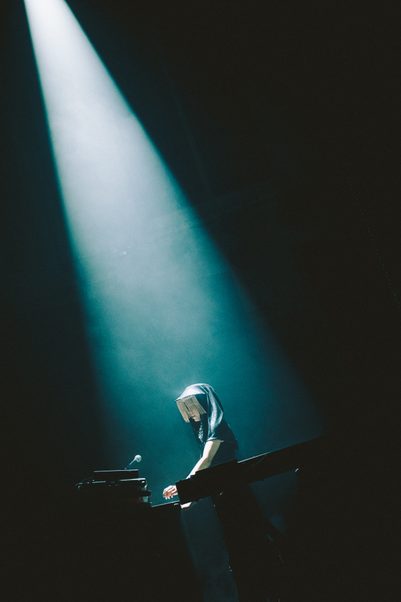
I also love the headline shows by Stado and Sarah Minaz in the Upstairs Room. Stado is a Zimbabwe-born, South African-raised, Amsterdam-based producer and DJ who mixes ghetto tech, Brazilian music and South African electronic music into one crazy live mix. Sarah Minaz is also bringing live artists into her performance. So there's a lot of different stuff happening. And where will you find me? Probably at STOOR, nerding out.'
Can you explain what you find important to highlight on stage of Paradiso?
'I think it's important to highlight how electronic music is evolving beyond just a DJ behind the decks. One of my highlights this year is Jeff Mills, who recorded an album with the late Tony Allen and is now performing with two other incredible musicians. It's techno, but it's also jazz, with a lot of improvisation. It almost feels like a ritual, and I think that's going to be a very special experience in a former church like Paradiso.
Another highlight from the past few years was Tribes, an event we organized for four or five years that explored the whole spectrum of electronic music. I remember the first edition in 2022, when we gave a stage to artists who weren't necessarily that well known yet. Amsterdam has become such an important hub for that sound, and it was amazing to see what the event did for the scene, not just in Amsterdam but across Europe. I think we stopped at our prime.'
There's a certain energy at Paradiso that's hard to explain. Where do you think that comes from?
'I think it comes from the people who work here. They work here because of their passion, and they always put the experience of the audience and the artists on stage before themselves. Some people have been working here for over two decades, from the programmers to the people behind the bar. There's such a family feeling here, and I think artists can sense that from the moment they walk through the door. They immediately feel at home, and that energy translates to the audience as well. I think that's one of the reasons artists like D'Angelo have returned to perform here so many times.
I've been organizing events and parties for years, even before I started working at Paradiso. Amsterdam has strong Caribbean and African communities, and I've always been interested in bringing those musical worlds together. For me, it's about recognizing what's happening within different scenes and giving those communities a stage, whether that's traditional Surinamese music or emerging sounds from Africa. It's an honor to contribute to Paradiso's legacy, even after almost six years of working here.'
With 30 YEARS ADE just around the corner, what can people expect from Paradiso this year?
'We have several events every day, and I think the combination of the Main Hall and the Upstairs Room is really cool. We have the more high-energy stuff, like Malugi and DJ Snake, and 2manydjs during the DOPE event.
I also love the headline shows by Stado and Sarah Minaz in the Upstairs Room. Stado is a Zimbabwe-born, South African-raised, Amsterdam-based producer and DJ who mixes ghetto tech, Brazilian music and South African electronic music into one crazy live mix. Sarah Minaz is also bringing live artists into her performance. So there's a lot of different stuff happening. And where will you find me? Probably at STOOR, nerding out.'
Check out Paradiso's full 30 YEARS ADE program