30 YEARS ADE Iconic Venues – Melkweg: From 30 years of ADE to Club Annie
words by Meike Jentjens
30 YEARS - 30 HOURS
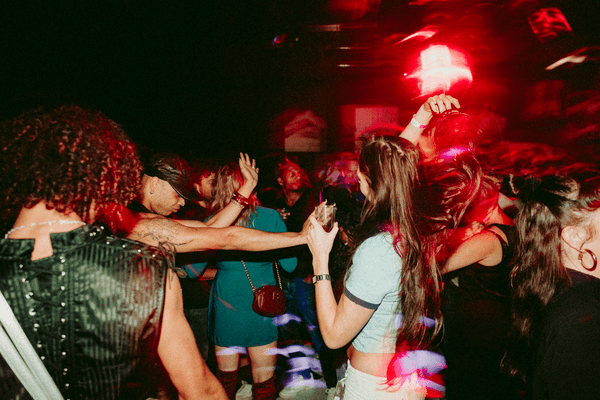
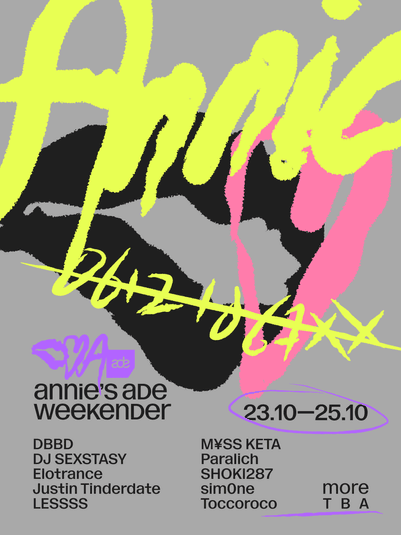
Club Annie will not be taking it easy this ADE. Her first ADE comes with a 30-hour opening weekender, which has given programmer Milou Zoer quite a lot of hours to play with, and not a lot of time to fill them. As we speak, she has only been booking for about a month. First impressions matter, right? Consider the pressure on!
The team only recently got the green light to go ahead with the opening during ADE, leaving her around a month to book the whole thing. ‘We got the word that we have 30 hours for our ADE weekender, which is the programmer’s dream,’ she says. ‘It’s super difficult to come up with a good story, but also really fun.’ Zoer believes that a good club night should tell a story in through its lineup, and take you on a journey that sucks you into the beauty of the night.
The short run-up to the club's opening did give her the chance to see the wider ADE program taking shape. One thing stood out: Zoer felt female representation was still missing from quite a few lineups. So, Club Annie's first ADE will feature predominantly female headliners, alongside long sets, b2bs, surprise guests and mash ups between sounds. ‘I want it to be a weekend full of wonder,’ she says. ‘That element of surprise is what the club is.’ And if the club during ADE is anything like its soft opening last Saturday, Annie will be here to stay!
30 YEARS - 30 HOURS
Club Annie will not be taking it easy this ADE. Her first ADE comes with a 30-hour opening weekender, which has given programmer Milou Zoer quite a lot of hours to play with, and not a lot of time to fill them. As we speak, she has only been booking for about a month. First impressions matter, right? Consider the pressure on!
The team only recently got the green light to go ahead with the opening during ADE, leaving her around a month to book the whole thing. ‘We got the word that we have 30 hours for our ADE weekender, which is the programmer’s dream,’ she says. ‘It’s super difficult to come up with a good story, but also really fun.’ Zoer believes that a good club night should tell a story in through its lineup, and take you on a journey that sucks you into the beauty of the night.
The short run-up to the club's opening did give her the chance to see the wider ADE program taking shape. One thing stood out: Zoer felt female representation was still missing from quite a few lineups. So, Club Annie's first ADE will feature predominantly female headliners, alongside long sets, b2bs, surprise guests and mash ups between sounds. ‘I want it to be a weekend full of wonder,’ she says. ‘That element of surprise is what the club is.’ And if the club during ADE is anything like its soft opening last Saturday, Annie will be here to stay!
Still looking for the edges
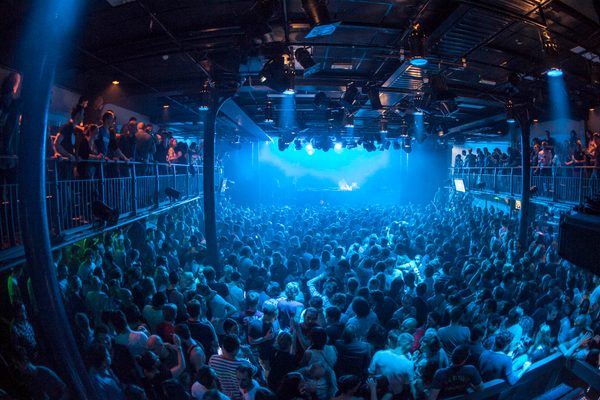
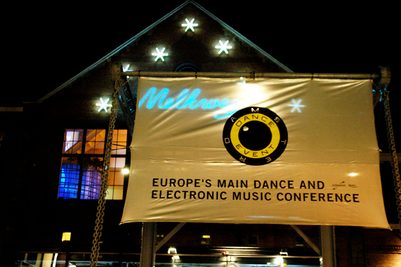
Club Annie may be the new arrival, but Melkweg and ADE go all the way back. Melkweg was one of the venues joining ADE’s first edition in 1996, together with Paradiso and Escape, while the Conference itself took place around De Balie and Felix Meritis.
Exactly how Melkweg joined the first ADE has become slightly hazy over thirty years. Creative director of Annie, Davy de Lepper, tried to trace the story back, but even within Melkweg, the exact details have been lost to time. What is clear is that the venue has been part of ADE from the very beginning. Ever since, Melkweg has made room for the sounds and subcultures that sit a little further from the mainstream.
That instinct is still there. Talking to Davy de Lepper and programmer Milou Zoer, their love for night culture runs through everything. Davy sees Melkweg as a reflection of the people and music cultures around it, with just as much room for niches and subcultures. Ask De Lepper what he loves about night culture, and especially the night at Melkweg, and he calls it ‘total theatre’. ‘Everything comes together,’ he says. ‘You have the expressions on the dance floor, but also the social life. You have fashion, the music, so many different art forms coming together.’ For Milou, that means never getting too comfortable: ‘Melkweg is always looking for the boundaries and the edges.’
Closer to home
Growing up in Friesland, Zoer first came to Melkweg when she was twelve and later took the train to Amsterdam four or five times a week for bands and sounds she couldn't find closer to home. Davy arrived through another part of Melkweg entirely: the Expo. ‘That’s what’s really cool about Melkweg,’ he says. ‘Besides being a music venue, art and culture are programmed here in a much broader sense.’ Add film into the equation and it becomes quite difficult to decide what kind of venue Melkweg actually is. Which is exactly where its beauty lies. Just look at Dave Clarke's program at the venue, and you'll see what De Lepper means.
Electronic music has been running through that mix for years. Davy describes Melkweg’s electronic program as one of the most diverse among Dutch pop venues, although that wasn't necessarily how people saw it from outside. Bigger recurring concepts became the obvious reference points, while plenty of smaller collectives and sounds were happening around them. When Davy joined the team, he wanted to start telling those stories too. ‘There is so much more happening here.’
Still looking for the edges
Club Annie may be the new arrival, but Melkweg and ADE go all the way back. Melkweg was one of the venues joining ADE’s first edition in 1996, together with Paradiso and Escape, while the Conference itself took place around De Balie and Felix Meritis.
Exactly how Melkweg joined the first ADE has become slightly hazy over thirty years. Creative director of Annie, Davy de Lepper, tried to trace the story back, but even within Melkweg, the exact details have been lost to time. What is clear is that the venue has been part of ADE from the very beginning. Ever since, Melkweg has made room for the sounds and subcultures that sit a little further from the mainstream.
That instinct is still there. Talking to Davy de Lepper and programmer Milou Zoer, their love for night culture runs through everything. Davy sees Melkweg as a reflection of the people and music cultures around it, with just as much room for niches and subcultures. Ask De Lepper what he loves about night culture, and especially the night at Melkweg, and he calls it ‘total theatre’. ‘Everything comes together,’ he says. ‘You have the expressions on the dance floor, but also the social life. You have fashion, the music, so many different art forms coming together.’ For Milou, that means never getting too comfortable: ‘Melkweg is always looking for the boundaries and the edges.’
Closer to home
Growing up in Friesland, Zoer first came to Melkweg when she was twelve and later took the train to Amsterdam four or five times a week for bands and sounds she couldn't find closer to home. Davy arrived through another part of Melkweg entirely: the Expo. ‘That’s what’s really cool about Melkweg,’ he says. ‘Besides being a music venue, art and culture are programmed here in a much broader sense.’ Add film into the equation and it becomes quite difficult to decide what kind of venue Melkweg actually is. Which is exactly where its beauty lies. Just look at Dave Clarke's program at the venue, and you'll see what De Lepper means.
Electronic music has been running through that mix for years. Davy describes Melkweg’s electronic program as one of the most diverse among Dutch pop venues, although that wasn't necessarily how people saw it from outside. Bigger recurring concepts became the obvious reference points, while plenty of smaller collectives and sounds were happening around them. When Davy joined the team, he wanted to start telling those stories too. ‘There is so much more happening here.’
Across the street
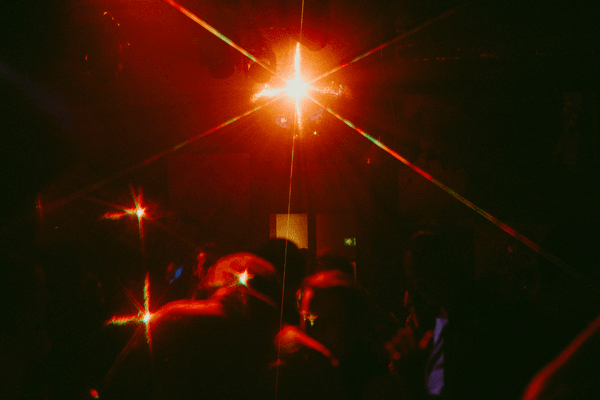
The former Sugarfactory building had been empty for around a year when Melkweg got another chance to take it on. Opening a club in Amsterdam in 2026 is, of course, quite a choice. Costs are high, nightlife spaces are disappearing and organizing a night comes with enough financial risk to make experimenting increasingly difficult.
Instead of ignoring that reality, Club Annie is being built around it. The club will initially run as a two-year pilot and, importantly, as a makers’ house. Young collectives and organizations get at least three editions to develop their nights, backed by Melkweg's knowledge and infrastructure. One slower edition doesn't immediately mean the end. There is room to try another sound, rethink a booking or simply figure things out. ‘Everyone gets the chance to grow,’ Zoer says. ‘Because of the high costs and the big risks of organizing, there’s very little room to really find a home somewhere and grow. Here, we do offer that part of the deal!’, she adds proudly.
Very campy
Building a club from the beginning is ‘a dream’ and ‘once in a lifetime’ according to Milou Zoer, but it also gave her the chance to create something she felt was missing. ‘Clubs are often quite linear and masculine,’ she says. She wanted Annie to feel softer, more sensual and playful, with room for a broader spectrum. With clubs having less room to take risks, that energy had become harder to find.
The name comes with a few possible ancestors, from sex worker and feminist activist Annie Sprinkle to sharpshooter Annie Oakley, or Annie M.G. Schmidt. But Annie could also be your hairdresser, the woman in the supermarket or someone sitting opposite you on the train. Feminist references on one side, completely ordinary on the other. De Lepper has another description for it: ‘very campy’. By now, Annie has become enough of a character that the team talks about what ‘she’ wants and what works for ‘her’. Not everything has been decided either. The phone policy, for example, is still being tested. If something works, it stays. If it doesn't, they'll reconsider. Just like at Melkweg itself. How else would you last thirty editions of ADE?
Across the street
The former Sugarfactory building had been empty for around a year when Melkweg got another chance to take it on. Opening a club in Amsterdam in 2026 is, of course, quite a choice. Costs are high, nightlife spaces are disappearing and organizing a night comes with enough financial risk to make experimenting increasingly difficult.
Instead of ignoring that reality, Club Annie is being built around it. The club will initially run as a two-year pilot and, importantly, as a makers’ house. Young collectives and organizations get at least three editions to develop their nights, backed by Melkweg's knowledge and infrastructure. One slower edition doesn't immediately mean the end. There is room to try another sound, rethink a booking or simply figure things out. ‘Everyone gets the chance to grow,’ Zoer says. ‘Because of the high costs and the big risks of organizing, there’s very little room to really find a home somewhere and grow. Here, we do offer that part of the deal!’, she adds proudly.
Very campy
Building a club from the beginning is ‘a dream’ and ‘once in a lifetime’ according to Milou Zoer, but it also gave her the chance to create something she felt was missing. ‘Clubs are often quite linear and masculine,’ she says. She wanted Annie to feel softer, more sensual and playful, with room for a broader spectrum. With clubs having less room to take risks, that energy had become harder to find.
The name comes with a few possible ancestors, from sex worker and feminist activist Annie Sprinkle to sharpshooter Annie Oakley, or Annie M.G. Schmidt. But Annie could also be your hairdresser, the woman in the supermarket or someone sitting opposite you on the train. Feminist references on one side, completely ordinary on the other. De Lepper has another description for it: ‘very campy’. By now, Annie has become enough of a character that the team talks about what ‘she’ wants and what works for ‘her’. Not everything has been decided either. The phone policy, for example, is still being tested. If something works, it stays. If it doesn't, they'll reconsider. Just like at Melkweg itself. How else would you last thirty editions of ADE?