30 YEARS ADE: Our history as told by Gary Smith and Richard Zijlma – Part Four
2006 - A 10th anniversary and a very big year for ADE
Two new sub-events were introduced in 2006 that changed ADE forever and set it on to the path that has seen it become the huge global brand that it now is.
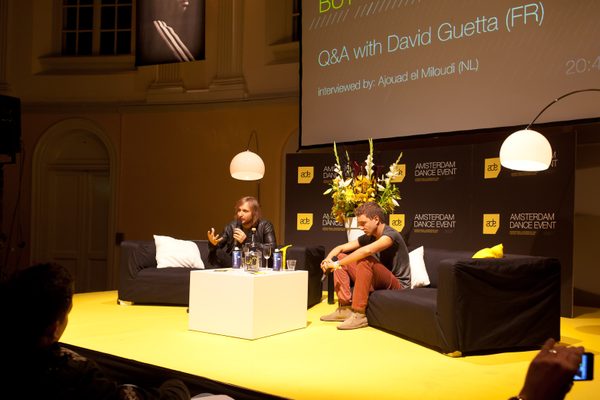
2006 was the year that director Richard Zijlma introduced the Live Dance Music Conference (LDMC) and ADE Next:
“In terms of LDMC, I saw the value and opportunities. DJs were slowly becoming superstars, fees started rising and global audiences were embracing EDM and its artists as cultural icons, and then this started being replicated in the USA and was followed by real global impact. Perhaps more importantly for the long term future of ADE, thanks to LDMC, I raised considerable funding for the coming three years so we could enlarge and improve the structure.
Basically we started to see lots more of the people working in the live sector like promoters, managers and agencies participating in the event. That was the thing that pushed ADE forward massively and left other similar events behind. Before that, agents, party organisers and bookers were saying ADE is not for us.. but when we introduced LDMC I could say ‘voila, now it is…..’”
2006 - A 10th anniversary and a very big year for ADE
Two new sub-events were introduced in 2006 that changed ADE forever and set it on to the path that has seen it become the huge global brand that it now is.
2006 was the year that director Richard Zijlma introduced the Live Dance Music Conference (LDMC) and ADE Next:
“In terms of LDMC, I saw the value and opportunities. DJs were slowly becoming superstars, fees started rising and global audiences were embracing EDM and its artists as cultural icons, and then this started being replicated in the USA and was followed by real global impact. Perhaps more importantly for the long term future of ADE, thanks to LDMC, I raised considerable funding for the coming three years so we could enlarge and improve the structure.
Basically we started to see lots more of the people working in the live sector like promoters, managers and agencies participating in the event. That was the thing that pushed ADE forward massively and left other similar events behind. Before that, agents, party organisers and bookers were saying ADE is not for us.. but when we introduced LDMC I could say ‘voila, now it is…..’”
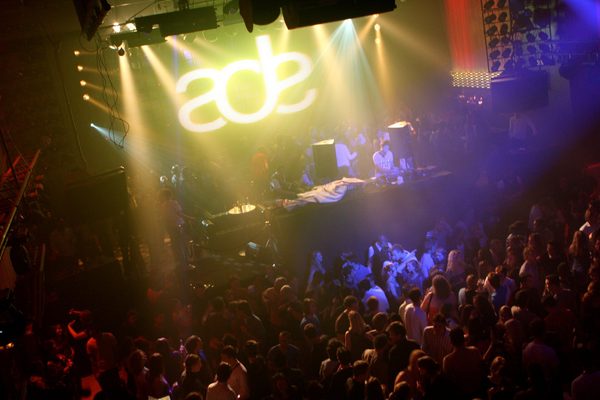
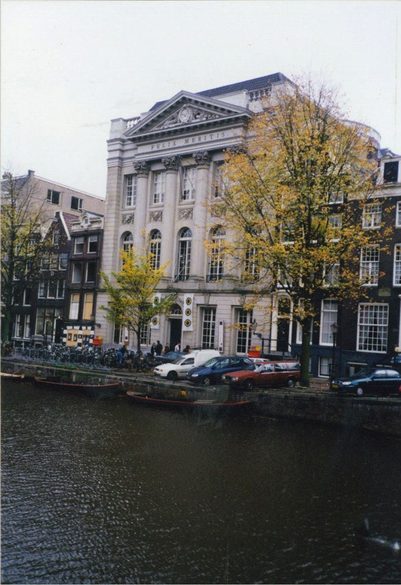
The other big development of 2006 was ADE Next, aimed, as the name suggests, at next-gen talent. However, the origins of Next are a classic case of Dutch pragmatism. ADE was by then firmly established in the Felix Meritis running Wednesday through Friday, but on the Saturday it was empty, and, given that the weekend was still being paid for, it was decided to introduce a stand-alone event for young musicians and producers.
Running on its own modest entry charge (with ADE delegates also welcome), ADE Next attracted a horde of mainly local kids hungry to learn the tricks of the trade from professionals, and mitigated a founding principle of ADE, namely that it has a direct responsibility towards future generations of both musicians and the people behind them at labels, publishing companies, and agencies, as well as in management and those who run and work at clubs and venues.
In 2008 a small, bright yellow and black perspex cube made its first appearance at ADE, an object which, given its current status as a global branding icon, was surprisingly controversial.
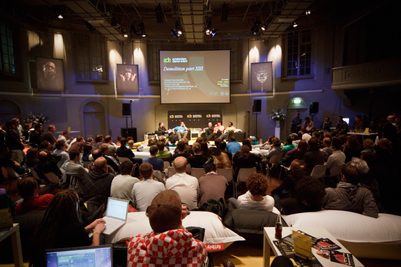
The other big development of 2006 was ADE Next, aimed, as the name suggests, at next-gen talent. However, the origins of Next are a classic case of Dutch pragmatism. ADE was by then firmly established in the Felix Meritis running Wednesday through Friday, but on the Saturday it was empty, and, given that the weekend was still being paid for, it was decided to introduce a stand-alone event for young musicians and producers.
Running on its own modest entry charge (with ADE delegates also welcome), ADE Next attracted a horde of mainly local kids hungry to learn the tricks of the trade from professionals, and mitigated a founding principle of ADE, namely that it has a direct responsibility towards future generations of both musicians and the people behind them at labels, publishing companies, and agencies, as well as in management and those who run and work at clubs and venues.
In 2008 a small, bright yellow and black perspex cube made its first appearance at ADE, an object which, given its current status as a global branding icon, was surprisingly controversial.
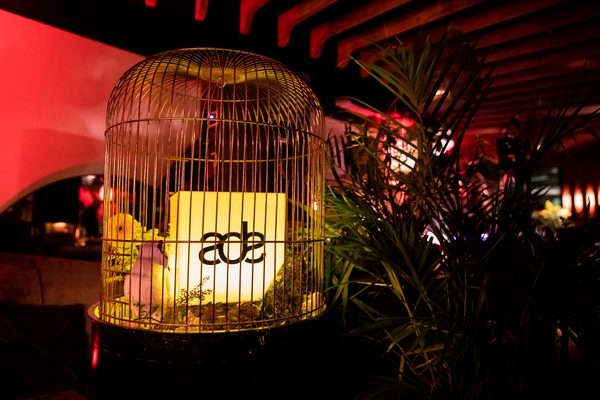
In 2008 a small, bright yellow and black perspex cube made its first appearance at ADE
The other big development of 2006 was ADE Next, aimed, as the name suggests, at next-gen talent. However, the origins of Next are a classic case of Dutch pragmatism. ADE was by then firmly established in the Felix Meritis running Wednesday through Friday, but on the Saturday it was empty, and, given that the weekend was still being paid for, it was decided to introduce a stand-alone event for young musicians and producers.
Running on its own modest entry charge (with ADE delegates also welcome), ADE Next attracted a horde of mainly local kids hungry to learn the tricks of the trade from professionals, and mitigated a founding principle of ADE, namely that it has a direct responsibility towards future generations of both musicians and the people behind them at labels, publishing companies, and agencies, as well as in management and those who run and work at clubs and venues.
In 2008 a small, bright yellow and black perspex cube made its first appearance at ADE, an object which, given its current status as a global branding icon, was surprisingly controversial.
Richard Zijlma takes up the story:
“Some promoters and team members did not like it at all! But it was a central tenet of our strategy to move the ADE logo into the new world of social media, as well as to make it 'touchable’ and hopefully turn it into an iconic brand that shines a light on ADE in a whole new way.” The cubes in 2026 are regarded as exemplary branding, with the majority of events launched since then believing that some sort of version of the cube is an essential item of their day and nighttime furniture.
So what’s next?
As stated previously, ADE and Amsterdam are joined at the hip, and it’s not unreasonable to say that ADE could only have become the event that it is today within the liberal, live-and-let-live context of modern Amsterdam.
It is important to note that while the city is tired of messy, trashy mass tourism and out-of-control stag and hen parties, it never gets tired of ADE. This is partly because the brand resonates around the world, and in doing so shines a positive light on the everything that’s good and right about the city itself, and partly because the palpable benefits to the City of Amsterdam and its business community are undeniable.
It’s time to raise a glass to the past 30 years and look forward to the next 30. Proost en tot ziens! - Gary Smith
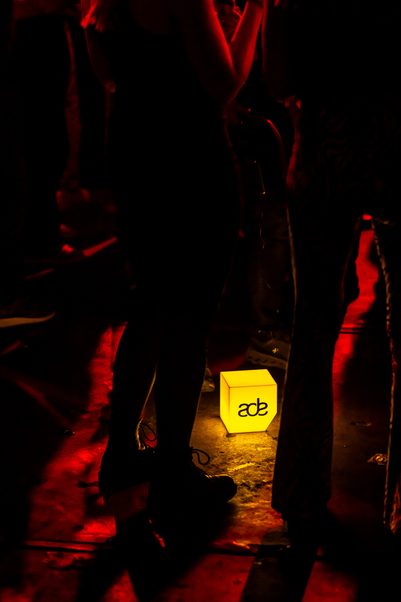
In 2008 a small, bright yellow and black perspex cube made its first appearance at ADE
The other big development of 2006 was ADE Next, aimed, as the name suggests, at next-gen talent. However, the origins of Next are a classic case of Dutch pragmatism. ADE was by then firmly established in the Felix Meritis running Wednesday through Friday, but on the Saturday it was empty, and, given that the weekend was still being paid for, it was decided to introduce a stand-alone event for young musicians and producers.
Running on its own modest entry charge (with ADE delegates also welcome), ADE Next attracted a horde of mainly local kids hungry to learn the tricks of the trade from professionals, and mitigated a founding principle of ADE, namely that it has a direct responsibility towards future generations of both musicians and the people behind them at labels, publishing companies, and agencies, as well as in management and those who run and work at clubs and venues.
In 2008 a small, bright yellow and black perspex cube made its first appearance at ADE, an object which, given its current status as a global branding icon, was surprisingly controversial.
Richard Zijlma takes up the story:
“Some promoters and team members did not like it at all! But it was a central tenet of our strategy to move the ADE logo into the new world of social media, as well as to make it 'touchable’ and hopefully turn it into an iconic brand that shines a light on ADE in a whole new way.” The cubes in 2026 are regarded as exemplary branding, with the majority of events launched since then believing that some sort of version of the cube is an essential item of their day and nighttime furniture.
So what’s next?
As stated previously, ADE and Amsterdam are joined at the hip, and it’s not unreasonable to say that ADE could only have become the event that it is today within the liberal, live-and-let-live context of modern Amsterdam.
It is important to note that while the city is tired of messy, trashy mass tourism and out-of-control stag and hen parties, it never gets tired of ADE. This is partly because the brand resonates around the world, and in doing so shines a positive light on the everything that’s good and right about the city itself, and partly because the palpable benefits to the City of Amsterdam and its business community are undeniable.
It’s time to raise a glass to the past 30 years and look forward to the next 30. Proost en tot ziens! - Gary Smith
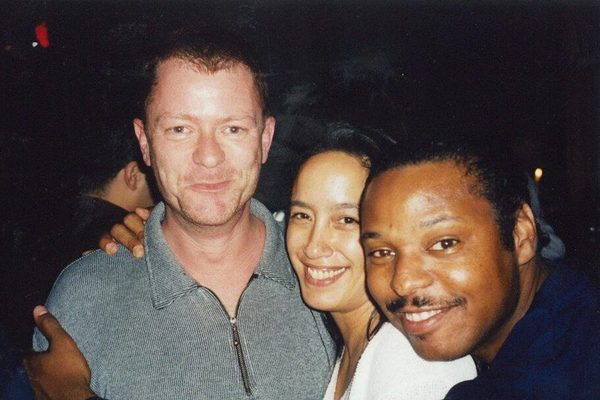
Gary Smith is part of the panel '30 YEARS of ADE', with this stellar ADE line-up:
Anna Knaup (Anna Agency, NL) / Dave Clarke (Artist, NL) / Gary Smith (FR) / Jan-Willem van de Ven (ADE, NL) / Maria Jiménez (NL) / Richard Zijlma (Haarlem Vinyl Festival / Conservatory Haarlem / Exibeat / RZ Consultancy, NL)
Moderator: Dave Clarke
Since 1996, ADE has gone from 300 professional delegates to 10.000, and from three nighttime venues to 300. But how did ADE come about, how did it expand from such modest beginnings to become the behemoth it is today, and what lessons have been learned along the way? The original crew offer a sneak peak behind the scenes, as well as some cheeky insights into things that did not go to plan.
Gary Smith is part of the panel '30 YEARS of ADE', with this stellar ADE line-up:
Anna Knaup (Anna Agency, NL) / Dave Clarke (Artist, NL) / Gary Smith (FR) / Jan-Willem van de Ven (ADE, NL) / Maria Jiménez (NL) / Richard Zijlma (Haarlem Vinyl Festival / Conservatory Haarlem / Exibeat / RZ Consultancy, NL)
Moderator: Dave Clarke
Since 1996, ADE has gone from 300 professional delegates to 10.000, and from three nighttime venues to 300. But how did ADE come about, how did it expand from such modest beginnings to become the behemoth it is today, and what lessons have been learned along the way? The original crew offer a sneak peak behind the scenes, as well as some cheeky insights into things that did not go to plan.