30 YEARS ADE: Our history as told by Gary Smith – Part Three
How ADE Became the global meeting point
Everything the event is now was down to a degree of fearlessness, a whole heap of passion and dedication, and that magical, intangible thing of being in the right place at the right time.
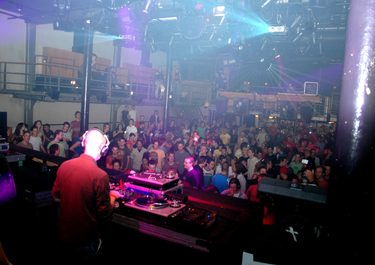
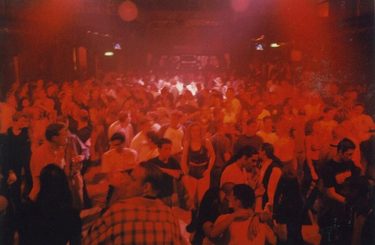
Behind ADE’s current status as a global brand lies a legacy laid down by the hundreds of dedicated and talented people who have given their all to make ADE what it is today. From three nighttime venues in 1996 to over 300 in 2026, from a few thousand ADE Festival visitors to 600,000+ last year, and from 250 professionals to over 10.000, we are sending huge respect and thanks everyone who has been part of our ongoing journey.
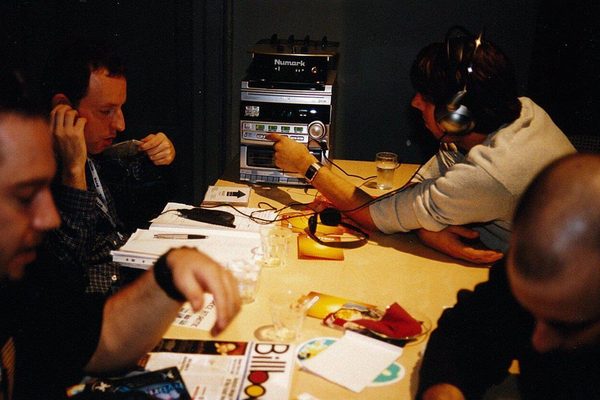
A further stroke of luck came a few years after the turn of the century when the more generalist music event MIDEM abandoned its focus on electronic music, leaving ADE to pick up the baton and run with it. That move also proved to be a lightbulb moment for ADE regulars who, having been abandoned by MIDEM, knew who they could trust and who had their backs in the longterm.

How ADE Became the global meeting point
Everything the event is now was down to a degree of fearlessness, a whole heap of passion and dedication, and that magical, intangible thing of being in the right place at the right time.
Behind ADE’s current status as a global brand lies a legacy laid down by the hundreds of dedicated and talented people who have given their all to make ADE what it is today. From three nighttime venues in 1996 to over 300 in 2026, from a few thousand ADE Festival visitors to 600,000+ last year, and from 250 professionals to over 10.000, we are sending huge respect and thanks everyone who has been part of our ongoing journey.
A further stroke of luck came a few years after the turn of the century when the more generalist music event MIDEM abandoned its focus on electronic music, leaving ADE to pick up the baton and run with it. That move also proved to be a lightbulb moment for ADE regulars who, having been abandoned by MIDEM, knew who they could trust and who had their backs in the longterm.
Some years later, in the late 2000s, Germany’s Popkomm decided to try to lure delegates from ADE by moving from its long-established slot in August to late September. Happily it met with little success, possibly because an event that saw the electronic community as mere numbers, rather than as a specialist niche within the wider music industry, was unlikely to appeal to people who already had a perfect fit with ADE.
Ironically ADE is now bigger than either of those generalist events ever were, a reflection both of ADE’s deep relevance to, and relationship with, the electronic scene, alongside the current global popularity of electronic music and its accompanying culture.
And while ADE was becoming a global meeting point, its culture of meeting and connecting was taking shape quite literally on the streets of Amsterdam.
Watch out for bikes!
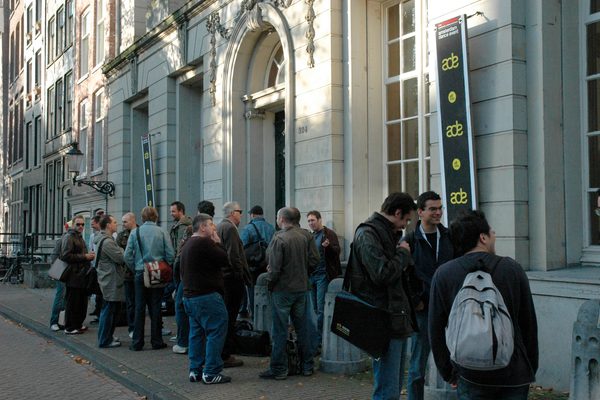
In terms of its main venue, ADE these days is indelibly associated with the charming, vertiginous Felix Meritis on the Keizersgracht. Having started out in De Balie on a total budget of 60.000 Guilders (€28,000) - the bar still exists and sits right next to the Apple store - is also the place where the tradition of informal meetings outside the main entrance started.
That phenomenon was all down to the weakness of the mobile network signal in 1996 and the thickness of De Balie’s walls. This meant that delegates and their house brick-sized telephones were unable to get a signal inside, and went outdoors to make a call, then that small crowd of people making calls were joined by other delegates looking to network, which became a crowd of people doing what delegates do.
And it’s a habit that continues to this day, with the section of Keizersgracht that runs past the Felix Meritis now blocked to traffic during ADE to allow delegates to network without fear of being run over.
Some years later, in the late 2000s, Germany’s Popkomm decided to try to lure delegates from ADE by moving from its long-established slot in August to late September. Happily it met with little success, possibly because an event that saw the electronic community as mere numbers, rather than as a specialist niche within the wider music industry, was unlikely to appeal to people who already had a perfect fit with ADE.
Ironically ADE is now bigger than either of those generalist events ever were, a reflection both of ADE’s deep relevance to, and relationship with, the electronic scene, alongside the current global popularity of electronic music and its accompanying culture.
And while ADE was becoming a global meeting point, its culture of meeting and connecting was taking shape quite literally on the streets of Amsterdam.
Watch out for bikes!
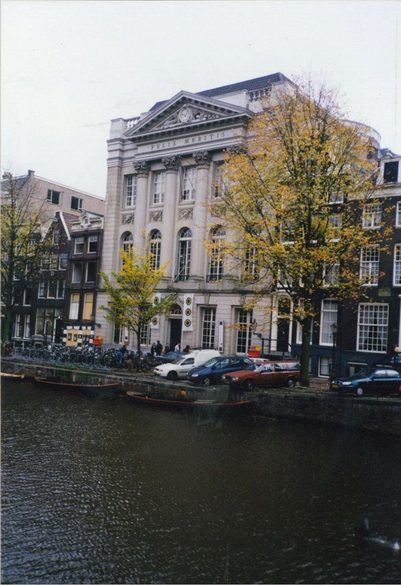
In terms of its main venue, ADE these days is indelibly associated with the charming, vertiginous Felix Meritis on the Keizersgracht. Having started out in De Balie on a total budget of 60.000 Guilders (€28,000) - the bar still exists and sits right next to the Apple store - is also the place where the tradition of informal meetings outside the main entrance started.
That phenomenon was all down to the weakness of the mobile network signal in 1996 and the thickness of De Balie’s walls. This meant that delegates and their house brick-sized telephones were unable to get a signal inside, and went outdoors to make a call, then that small crowd of people making calls were joined by other delegates looking to network, which became a crowd of people doing what delegates do.
And it’s a habit that continues to this day, with the section of Keizersgracht that runs past the Felix Meritis now blocked to traffic during ADE to allow delegates to network without fear of being run over.